Butter Croissants From Scratch
Highlighted under: Modern Collection
I love making butter croissants from scratch because they transform a simple breakfast into a delightful experience. The flaky layers and rich buttery flavor achieve a level of comfort that store-bought versions can rarely match. Each bite is a harmonious blend of textures, and the satisfaction I feel when I pull them from the oven is unmatched. This recipe isn't just about baking; it's about indulging in a process that rewards patience with delicious results. Trust me, once you try these, you'll never look back!
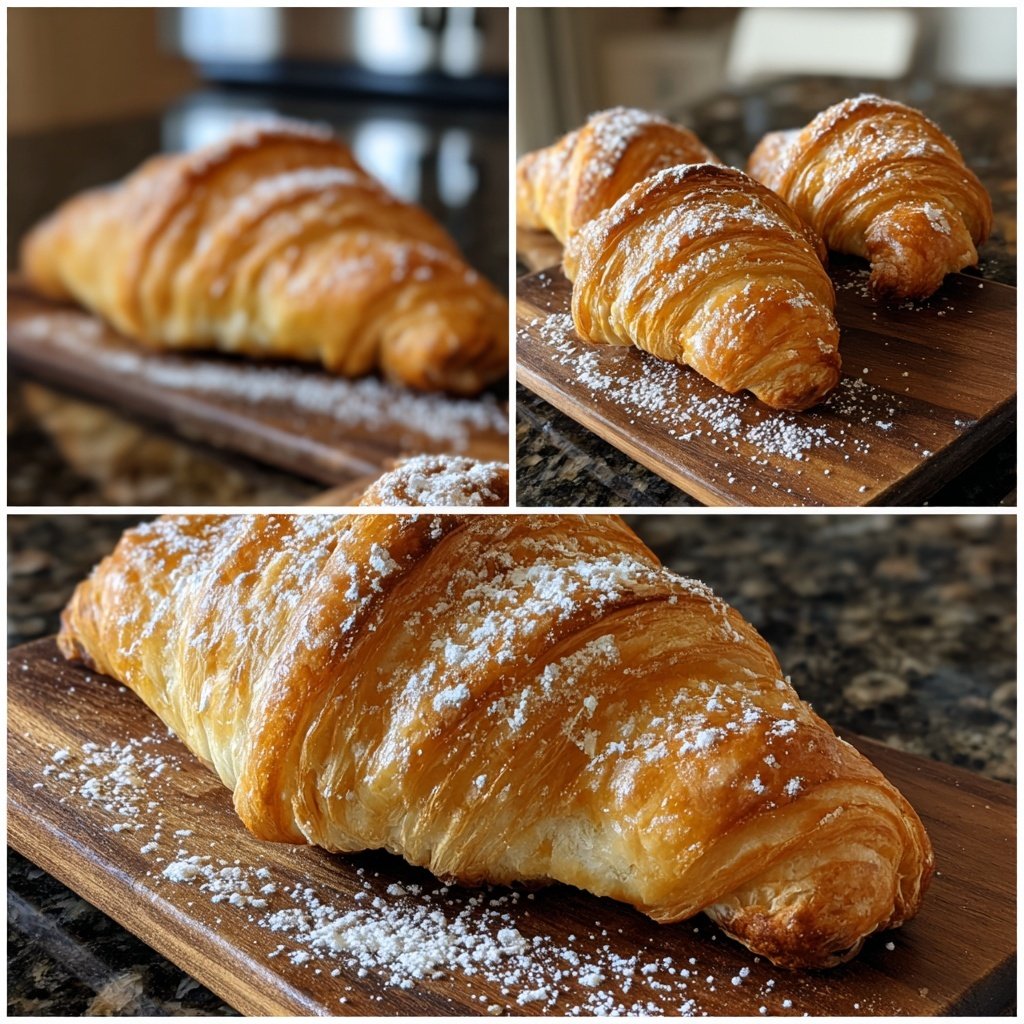
When I first attempted to make croissants, I was intimidated by the process. The folding, the chilling, the waiting—it all seemed daunting. However, I've found that giving the dough the right amount of rest is key. Croissants require time to develop those buttery layers, and it’s a game changer. My biggest tip is to ensure the butter stays cold during the process, as this helps create those beautiful, flaky layers.
Over the years, I’ve adjusted my technique to ensure consistent results. I recommend rolling out your dough carefully to maintain an even thickness; this will help ensure that your croissants rise properly. Watching them puff up in the oven is one of the most rewarding moments, and the aroma that fills the kitchen makes the effort worthwhile!
Why You'll Love These Croissants
- Flaky, buttery layers that melt in your mouth
- Homemade, fresh croissants taste infinitely better
- A fun and rewarding baking project for any skill level
Understanding Croissant Dough
The base of any great croissant lies in the dough, which consists of flour, yeast, sugar, and salt. Flour provides the structure, while yeast creates the all-important rise. The sugar not only sweetens the dough slightly but also contributes to browning during baking, leading to a beautiful golden hue. Salt is crucial for flavor and strengthens gluten, which allows the croissant to hold its layers. If you find your dough not rising as expected, check that your yeast is still active by testing it in warm water with a bit of sugar before use.
Whole milk adds richness and flavor to the dough, making each bite luxurious. However, if you're dairy-free, you can substitute almond milk or any nut milk, keeping in mind that this may alter the flavor slightly. Cold butter is essential in this recipe. Ensure it is sufficiently firm, or else it may blend into the dough rather than creating those trademark flaky layers. If you find your butter too soft, try chilling it briefly in the freezer before rolling it out.
Mastering the Lamination Process
Laminating the dough is a vital step that creates the croissant's flaky texture. When rolling out the dough, make sure to work on a lightly floured surface to prevent sticking, but avoid adding too much flour, which can toughen the dough. A good rule of thumb is to roll the dough out to about a 1/4 inch thickness, and keep it as rectangular as possible for even layering. After each fold, chill the dough to allow the gluten to relax; this will make it easier to work with and enhances the flakiness of your croissants.
As you fold the dough into thirds, press down gently on the edges to seal them properly and prevent the butter from leaking out during baking. If you notice the butter has melted into the dough, your kitchen might be too warm. In this case, chill the dough more frequently. I recommend resting the dough for at least 30 minutes after each fold; this waiting period is crucial for ensuring those beautiful layers develop correctly.
Ingredients
Gather the following ingredients to get started:
Croissant Dough
- 4 cups all-purpose flour
- 1 cup unsalted butter (cold)
- 1/4 cup granulated sugar
- 1 tablespoon salt
- 1 tablespoon active dry yeast
- 1 cup whole milk (warm)
- 1 large egg (for egg wash)
Make sure to read through the instructions before starting!
Instructions
Follow these steps for perfect croissants:
Prepare the Dough
In a mixing bowl, combine warm milk and yeast. Let it sit for 5 minutes until frothy. In a separate bowl, mix flour, sugar, and salt. Pour the yeast mixture in, and mix until a dough forms. Knead for about 5 minutes, then let it rest in the fridge for 1 hour.
Incorporate the Butter
Roll out the cold butter between parchment paper into a rectangle. Roll the dough into a large rectangle and place the butter in the center. Fold the dough over the butter, sealing the edges.
Laminate the Dough
Roll the dough out into a large rectangle, then fold it into thirds like a letter. Repeat this process two more times, chilling the dough for 30 minutes between folds.
Shape the Croissants
Roll the laminated dough into a large rectangle, cut into triangles, and roll from the base to the tip. Place on a baking sheet and allow to rise for 2 hours.
Bake
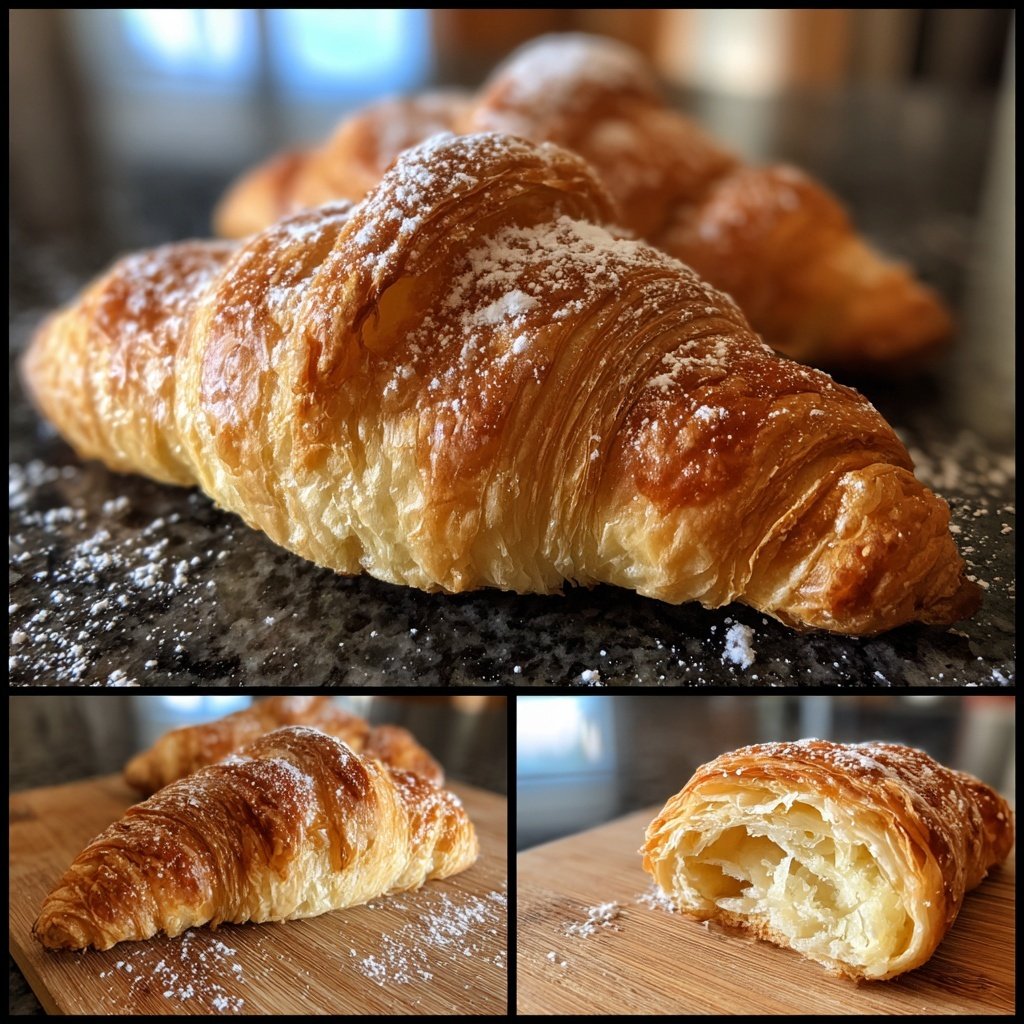
Preheat the oven to 400°F. Brush the croissants with an egg wash, then bake for 15-20 minutes until golden brown. Enjoy warm!
Enjoy the fruits of your labor with butter croissants fresh from the oven!
Pro Tips
- Make sure all ingredients are cold for the best results! Work quickly to prevent the butter from melting during the rolling process.
Storage and Reheating Tips
Once baked, croissants maintain their best quality for about 1-2 days at room temperature, stored in an airtight container. For longer storage, freeze them right after they cool down completely. To freeze, wrap them individually in plastic wrap and then place them in a freezer-safe bag. They can last up to a month. When you’re ready to enjoy them, reheat directly from the freezer in a preheated oven at 350°F for about 10-15 minutes until warmed through and crispy.
If you've made a large batch, consider using the leftover croissants creatively. They make an excellent base for savory bread pudding or can be turned into delicious French toast. Just slice them in half, dip them into an egg-milk mixture, and cook until golden. This way, you won’t have any waste, and you'll get to enjoy their delightful flavor in another form.
Common Troubleshooting
If your croissants aren't rising as expected, it could be due to several factors including inactive yeast, too cold dough, or improper proofing time. Make sure your yeast is fresh and active. During proofing, the dough should nearly double in size in the 2 hours allowed, so if it’s not quite there, be patient—sometimes dough just needs a little more time in a warm area.
Another common issue is ending up with tough croissants. This can happen if the dough is overworked or if too much flour is added during rolling. If you notice your dough becoming hard to handle, take breaks while rolling to allow the gluten to relax. Remember, lamination is about gentleness and precision, so take your time during each step.
Questions About Recipes
→ Can I use whole wheat flour instead?
Yes, but it may change the texture and require adjustments to the liquid.
→ How do I store leftover croissants?
Store them in an airtight container at room temperature for up to 2 days, or freeze for later.
→ Can I make the dough in advance?
Absolutely! You can make the dough a day ahead and refrigerate it overnight.
→ What is the best way to reheat croissants?
Reheat in a preheated oven at 350°F for about 5-10 minutes to restore crispiness.
Butter Croissants From Scratch
Created by: Lottie Pennington
Recipe Type: Modern Collection
Skill Level: Intermediate
Final Quantity: 12 croissants
What You'll Need
Croissant Dough
- 4 cups all-purpose flour
- 1 cup unsalted butter (cold)
- 1/4 cup granulated sugar
- 1 tablespoon salt
- 1 tablespoon active dry yeast
- 1 cup whole milk (warm)
- 1 large egg (for egg wash)
How-To Steps
In a mixing bowl, combine warm milk and yeast. Let it sit for 5 minutes until frothy. In a separate bowl, mix flour, sugar, and salt. Pour the yeast mixture in, and mix until a dough forms. Knead for about 5 minutes, then let it rest in the fridge for 1 hour.
Roll out the cold butter between parchment paper into a rectangle. Roll the dough into a large rectangle and place the butter in the center. Fold the dough over the butter, sealing the edges.
Roll the dough out into a large rectangle, then fold it into thirds like a letter. Repeat this process two more times, chilling the dough for 30 minutes between folds.
Roll the laminated dough into a large rectangle, cut into triangles, and roll from the base to the tip. Place on a baking sheet and allow to rise for 2 hours.
Preheat the oven to 400°F. Brush the croissants with an egg wash, then bake for 15-20 minutes until golden brown. Enjoy warm!
Extra Tips
- Make sure all ingredients are cold for the best results! Work quickly to prevent the butter from melting during the rolling process.
Nutritional Breakdown (Per Serving)
- Calories: 350 kcal
- Total Fat: 22g
- Saturated Fat: 14g
- Cholesterol: 60mg
- Sodium: 200mg
- Total Carbohydrates: 30g
- Dietary Fiber: 1g
- Sugars: 5g
- Protein: 7g