Korean Bibimbap
Highlighted under: Local Collection
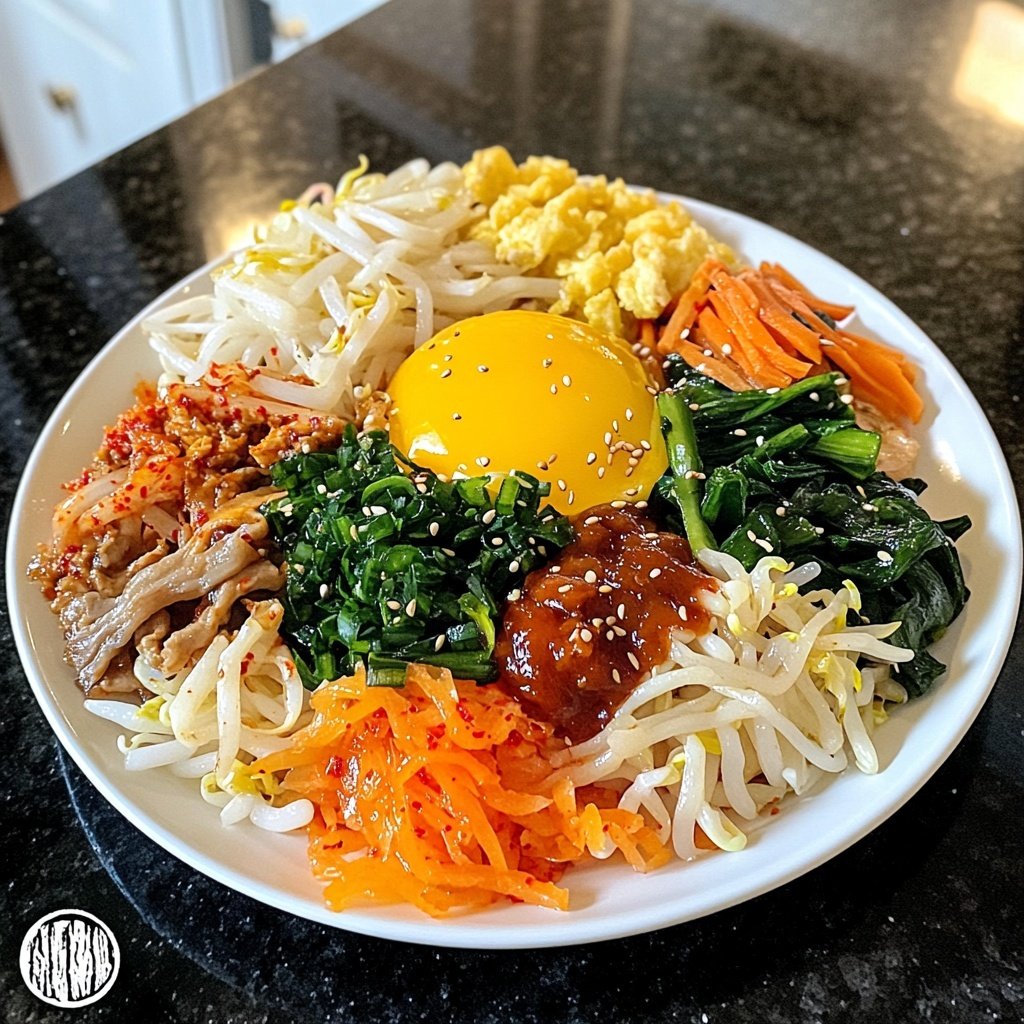
Korean Bibimbap is a vibrant and nutritious dish that combines rice, assorted vegetables, and a flavorful sauce, topped with a perfectly fried egg.
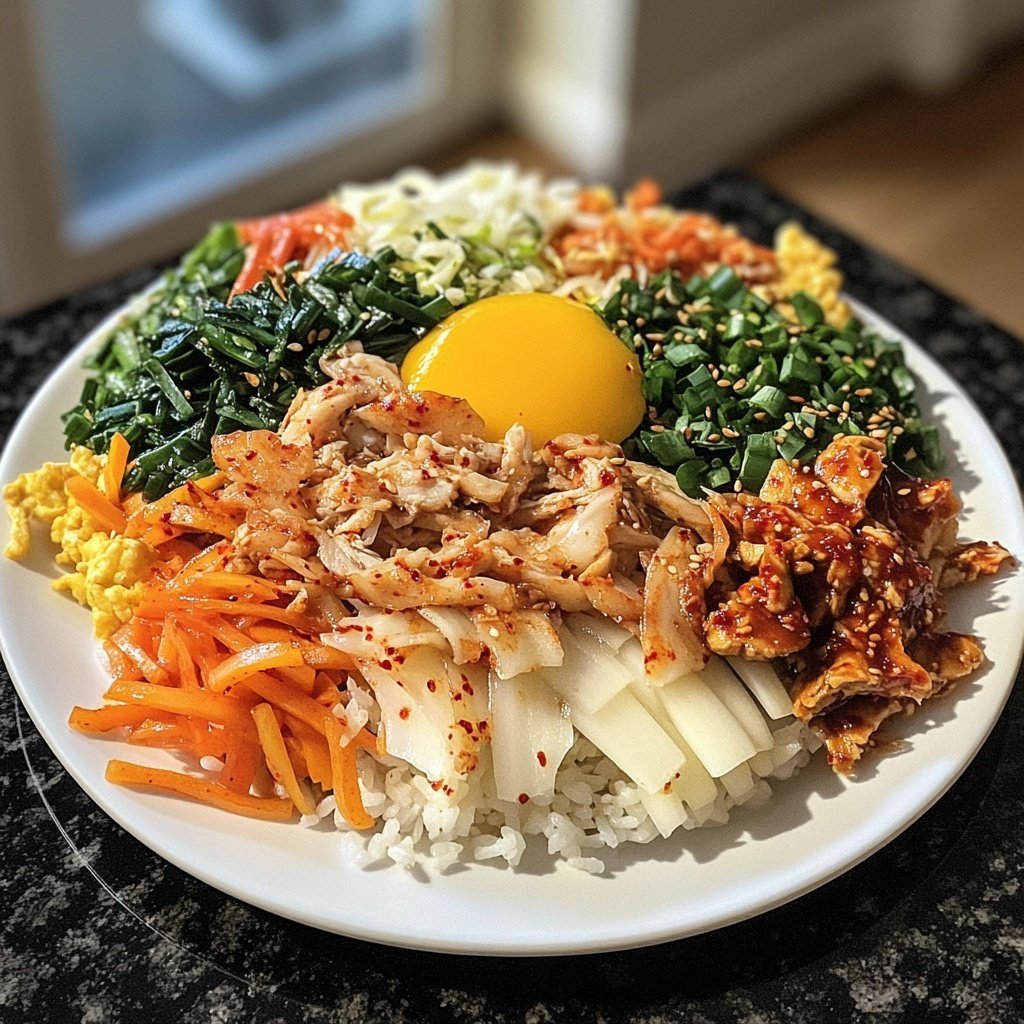
Korean Bibimbap is more than just a meal; it's a delightful mix of flavors and textures that represent the essence of Korean cuisine. This dish is not only colorful but also packed with nutrients, making it a wholesome choice for any meal.
Why You'll Love This Recipe
- A harmonious balance of flavors and textures in every bite
- Loaded with fresh vegetables and protein for a nutritious meal
- Customizable with your favorite ingredients for a personal touch
The Essence of Bibimbap
Bibimbap is a quintessential Korean dish that epitomizes the country's philosophy of balance and harmony in food. It features a colorful array of vegetables, rice, and protein, ensuring that each bite is a delightful experience. The word 'bibimbap' translates to 'mixed rice', and that’s exactly what makes it so special: the combination of diverse ingredients creates a symphony of flavors and textures that tantalize your taste buds.
At its core, bibimbap is all about fresh, seasonal ingredients. The dish showcases an assortment of vegetables, such as spinach, carrots, and zucchini, each providing unique nutritional benefits. This vibrant mix not only nourishes the body but also pleases the eye, making it an ideal dish for gatherings and family meals.
Customizable Delights
One of the greatest joys of making bibimbap is the freedom to customize it according to your preferences. Whether you're a meat lover or a vegetarian, you can tailor this dish to your liking. Popular protein choices include beef or chicken, but tofu is a fantastic alternative for those seeking a plant-based option. By swapping in your favorite ingredients, you can create a unique version of bibimbap that reflects your personal taste.
You can also experiment with different sauces and toppings. While gochujang is the traditional choice, feel free to add a splash of sriracha for extra heat or a drizzle of teriyaki sauce for a fusion twist. The possibilities are endless, making bibimbap a versatile dish that can adapt to any occasion or dietary restriction.
Health Benefits of Bibimbap
Korean Bibimbap is not only a feast for the eyes but also a powerhouse of nutrition. Packed with a variety of vegetables, it delivers a rich source of vitamins, minerals, and antioxidants that promote overall health. Spinach, for example, is known for its iron content, while carrots provide a healthy dose of beta-carotene. This makes bibimbap a perfect option for anyone looking to boost their nutrient intake without sacrificing flavor.
The dish is also high in fiber thanks to the vegetables and rice, aiding digestion and keeping you feeling full longer. Furthermore, by incorporating protein-rich ingredients like eggs or tofu, you ensure a balanced meal that can sustain your energy levels throughout the day.
Ingredients
For the Bibimbap
- 2 cups cooked rice (preferably short-grain)
- 1 cup spinach, blanched
- 1 carrot, julienned
- 1 zucchini, julienned
- 1 cup bean sprouts, blanched
- 2 eggs
- 2 tablespoons sesame oil
- 1 tablespoon soy sauce
- 1 tablespoon gochujang (Korean chili paste)
- Sesame seeds for garnish
Feel free to add your choice of protein, such as beef or tofu, to enhance the dish.
Instructions
Prepare the Vegetables
Heat a little sesame oil in a pan and sauté the julienned carrots and zucchini until tender. Set aside. Blanch the spinach and bean sprouts in boiling water for a couple of minutes and set aside as well.
Cook the Eggs
In the same pan, fry the eggs sunny-side up until the whites are set but the yolks are still runny.
Assemble the Bibimbap
In a large bowl, place a serving of rice at the bottom. Arrange the cooked vegetables and fried egg on top. Drizzle with soy sauce and gochujang. Garnish with sesame seeds.
Serve
Mix everything together before eating. Enjoy your delicious and colorful bibimbap!
Serve hot and enjoy the mix of flavors!
Pro Tips
- For an extra kick, add kimchi on the side or mix it into the bibimbap.
Tips for a Perfect Bibimbap
To achieve the best results, use short-grain rice, which has a sticky texture that holds the dish together beautifully. If you don't have short-grain rice, consider using jasmine or sushi rice as alternatives. Additionally, ensure that all vegetables are cut uniformly to ensure even cooking and a more aesthetically pleasing presentation.
When preparing the vegetables, avoid overcooking them. The goal is to maintain their vibrant colors and crisp textures, which add to the overall eating experience. A quick sauté or blanching is usually sufficient to enhance their flavors while preserving their nutrients.
Storing Leftover Bibimbap
If you happen to have leftovers, bibimbap can be stored in an airtight container for up to three days in the refrigerator. However, it's best to keep the components separate until you're ready to enjoy them again. This prevents the rice from becoming too mushy and the vegetables from losing their crunch.
When reheating, consider using a microwave or a skillet to warm everything gently. A splash of water in the microwave can help steam the rice and vegetables, ensuring they remain moist. Add a fresh egg on top when reheating for a delightful, creamy addition.
Questions About Recipes
→ Can I make Bibimbap vegetarian?
Yes, you can easily make it vegetarian by omitting the eggs or using tofu instead.
→ What can I substitute for gochujang?
You can use a mix of chili paste and a bit of sugar if you don't have gochujang.
→ How can I customize my Bibimbap?
Feel free to add any vegetables you like, such as mushrooms or bell peppers, or include your choice of protein.
→ Is Bibimbap served hot or cold?
Bibimbap is typically served warm, but the vegetables can be served at room temperature.
Korean Bibimbap
Created by: Lottie Pennington
Recipe Type: Local Collection
Skill Level: Intermediate
Final Quantity: 2 servings
What You'll Need
For the Bibimbap
- 2 cups cooked rice (preferably short-grain)
- 1 cup spinach, blanched
- 1 carrot, julienned
- 1 zucchini, julienned
- 1 cup bean sprouts, blanched
- 2 eggs
- 2 tablespoons sesame oil
- 1 tablespoon soy sauce
- 1 tablespoon gochujang (Korean chili paste)
- Sesame seeds for garnish
How-To Steps
Heat a little sesame oil in a pan and sauté the julienned carrots and zucchini until tender. Set aside. Blanch the spinach and bean sprouts in boiling water for a couple of minutes and set aside as well.
In the same pan, fry the eggs sunny-side up until the whites are set but the yolks are still runny.
In a large bowl, place a serving of rice at the bottom. Arrange the cooked vegetables and fried egg on top. Drizzle with soy sauce and gochujang. Garnish with sesame seeds.
Mix everything together before eating. Enjoy your delicious and colorful bibimbap!
Extra Tips
- For an extra kick, add kimchi on the side or mix it into the bibimbap.
Nutritional Breakdown (Per Serving)
- Calories: 550 kcal
- Total Fat: 20g
- Saturated Fat: 4g
- Cholesterol: 186mg
- Sodium: 700mg
- Total Carbohydrates: 80g
- Dietary Fiber: 5g
- Sugars: 4g
- Protein: 15g