Sunday Roasted Butternut Squash
Highlighted under: Traditional Collection
I always look forward to weekends when I can slow down and indulge in comforting home-cooked meals. One of my favorite dishes to prepare is roasted butternut squash. Its sweet, nutty flavor and creamy texture make it a hearty side that pairs perfectly with any main course. Plus, the aromatic blend of spices transforms this simple vegetable into a delightful treat. I've found that drizzling it with a touch of maple syrup enhances its natural sweetness without overwhelming it, creating a truly satisfying dish that everyone enjoys.
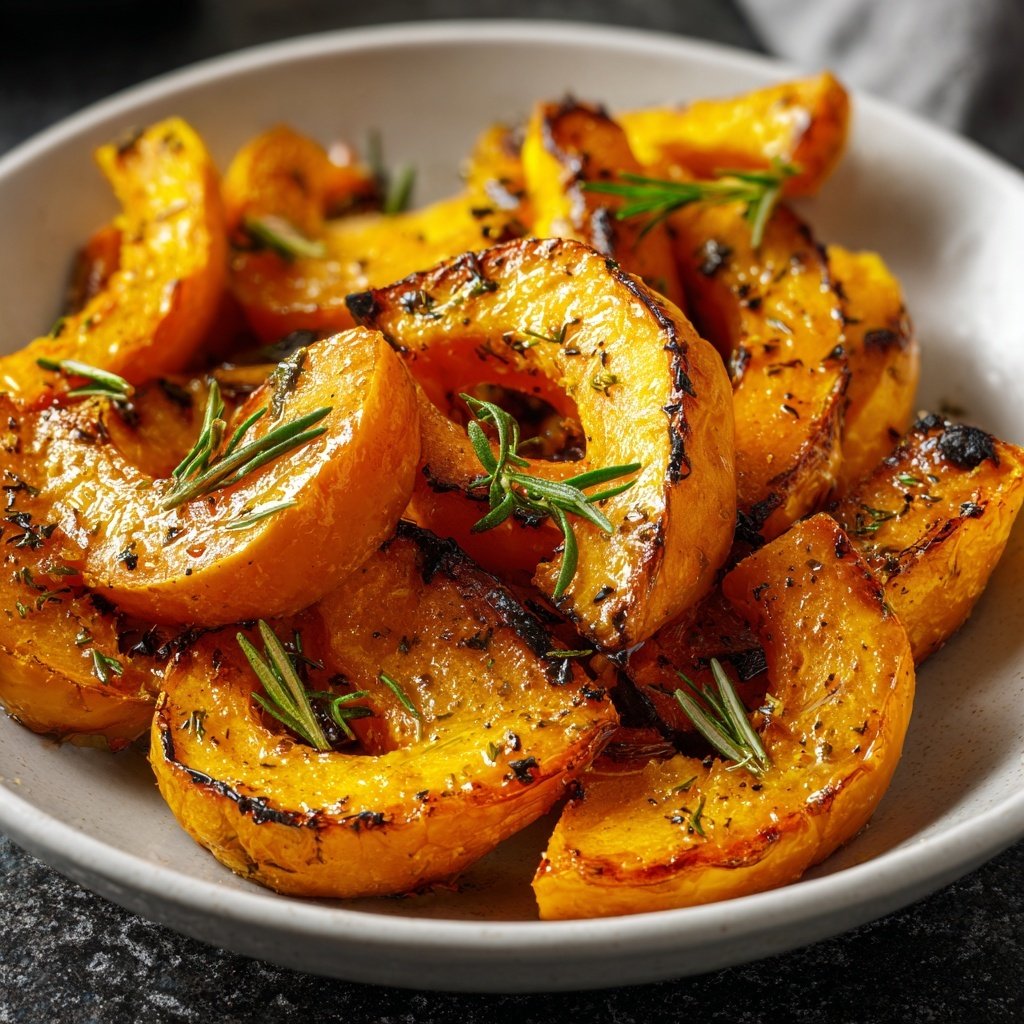
I remember the first time I made roasted butternut squash for my family. Their faces lit up with delight at the first bite, and I couldn’t help but smile. The key is to roast it at the right temperature; I’ve discovered that 400°F (200°C) is perfect for a caramelized exterior while keeping the inside tender and fluffy. This balance makes all the difference in taste.
Another tip I've learned is to coat the squash with olive oil and season generously with salt and pepper before roasting. This not only enhances the flavor but also promotes even cooking. You can experiment with other spices like cinnamon or paprika for variety. Each time, it feels like I’m creating something new and delicious!
Why You'll Love This Recipe
- Naturally sweet and creamy texture that satisfies any palate
- Simple preparation with minimal cleanup required
- Versatile dish that complements various main courses
The Importance of Properly Cubing
When preparing butternut squash for roasting, the way you cut the squash can greatly affect the cooking process. Uniformly cubed pieces ensure that each bite cooks at the same rate, providing a consistent texture and flavor. Aim for 1-inch cubes; this size will allow the squash to caramelize beautifully while remaining tender. If you find any larger chunks once you begin roasting, consider adjusting the cooking time to prevent undercooked pieces.
Additionally, the method of peeling can influence how smooth the texture is after roasting. A vegetable peeler usually does the trick, but using a sharp kitchen knife can help you achieve cleaner edges around the curves of the squash. This way, you reduce the risk of losing precious flesh and avoid any bitter taste that can come from over-peeling.
Enhancing Flavor Profiles
The combination of olive oil, salt, and pepper is a classic preparation for many roasted vegetables, and here, it perfectly complements the natural sweetness of butternut squash. However, experimenting with spices and herbs can elevate the dish even further. For a savory kick, consider adding garlic powder or smoked paprika to the mix. These ingredients not only enhance the flavor but also deepen the color during roasting, providing a feast for the eyes as well.
Should you want to cater to different dietary preferences, this recipe can easily be adapted. For a vegan twist without sacrificing flavor, simply increase the amount of maple syrup or try a splash of balsamic vinegar. Both options add a sweetness that pairs wonderfully with the earthy tones of the squash. Feel free to adjust the spices to suit your taste; a pinch of nutmeg or allspice could add a warm, aromatic layer to the dish.
Storage Tips and Serving Suggestions
If you anticipate leftovers, the roasted butternut squash can be stored in an airtight container in the refrigerator for up to 4 days. When reheating, use an oven at 350°F (175°C) to maintain its deliciously caramelized edges. For a quick option, a microwave works, but be sure to cover it to retain moisture and prevent the squash from drying out.
This dish is incredibly versatile and pairs well not only with traditional roasted meats but also with grain-based salads, curries, or as a topping for creamy risottos. To make it a complete meal, think about tossing the roasted squash with chickpeas for extra protein or serving over a bed of quinoa dressed with lemon juice and olive oil. This way, you'll discover a new favorite that highlights the squash's capabilities in various culinary contexts.
Ingredients
Gather these fresh ingredients for a delightful roast:
Ingredients
- 1 medium butternut squash, peeled and cubed
- 3 tablespoons olive oil
- 1 teaspoon salt
- 1/2 teaspoon black pepper
- 1 tablespoon maple syrup (optional)
- 1 teaspoon cinnamon (optional)
Make sure to adjust seasoning based on your preferences!
Instructions
Follow these simple steps to achieve perfectly roasted butternut squash:
Prepare the Squash
Start by preheating your oven to 400°F (200°C). Carefully peel the butternut squash, cut it in half, remove the seeds, and then cube it into even pieces for uniform cooking.
Season and Roast
In a large bowl, toss the cubed squash with olive oil, salt, pepper, and maple syrup if using. Spread the seasoned pieces in a single layer on a baking sheet lined with parchment paper.
Bake to Perfection
Roast in the preheated oven for 25 to 30 minutes, or until the squash is tender and lightly caramelized, stirring halfway through for even browning.
Serve and Enjoy
Once done, remove from the oven and allow it to cool slightly. Taste and adjust seasoning if necessary. Serve warm as a side dish with your favorite main course!
Enjoy your delicious homemade roasted butternut squash!
Pro Tips
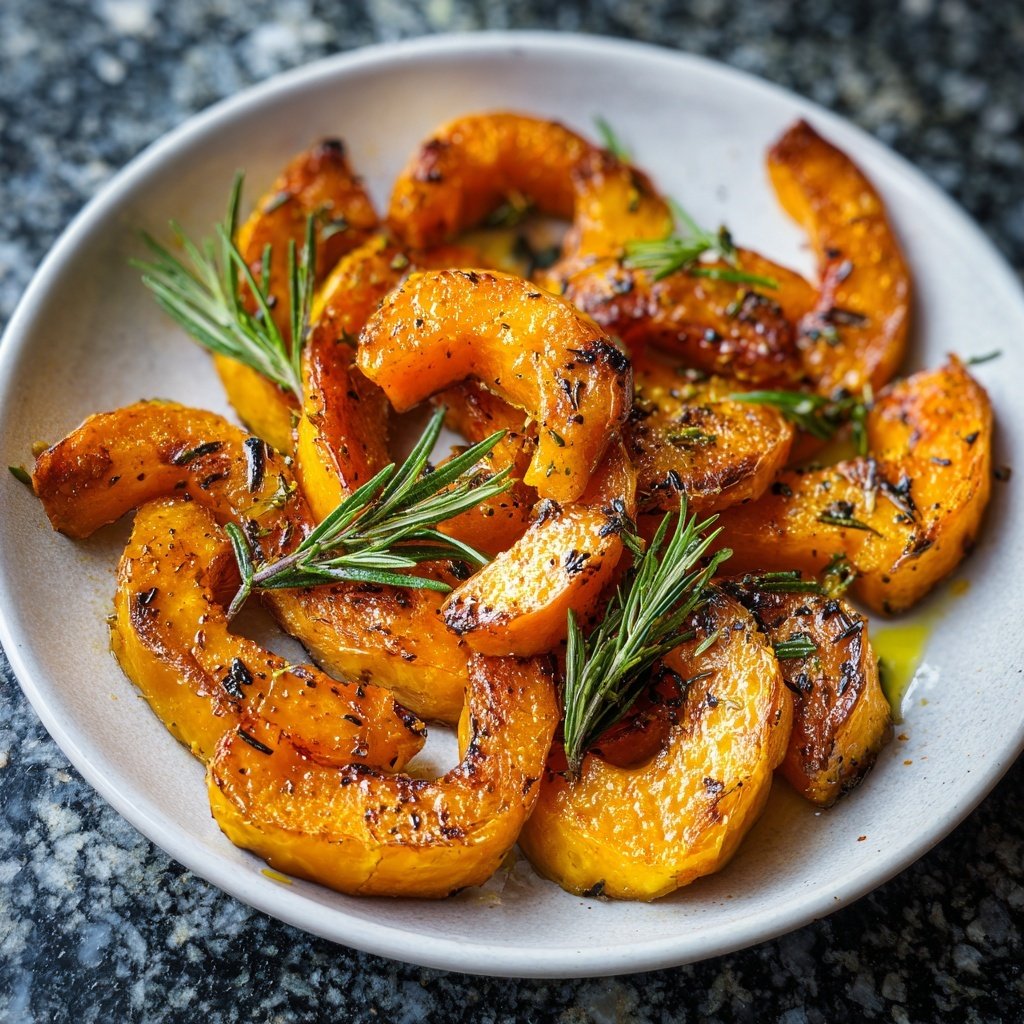
- For added flavor, try using fresh herbs like thyme or rosemary during the last 10 minutes of roasting for an aromatic finish.
Troubleshooting Common Issues
One common issue while roasting butternut squash is uneven cooking, leading to some pieces being too soft while others remain firm. This can often happen if the pieces are cut inconsistently. To solve this, ensure your cubing is uniform. Additionally, stirring the squash halfway through the roasting time not only helps with even cooking but also allows those beautiful caramelized edges to develop on all sides.
If you find that your squash isn't caramelizing well, verify your oven temperature with an oven thermometer. Sometimes, home ovens can be off by a significant margin. A higher roasting temperature, around 425°F (220°C), can aid in achieving that golden, crisp exterior while maintaining a tender inside. Remember to check the squash frequently to prevent burning.
Make-Ahead and Freezing Options
If you're planning a big meal or just want to streamline your cooking process, this roasted butternut squash can be made ahead. Roast the squash according to the recipe and then cool it completely before transferring it to an airtight container. You can store it in the refrigerator for up to 4 days or freeze it for up to 3 months. When freezing, I suggest laying the cubes out on a baking sheet to freeze them individually before transferring them to a freezer-safe bag. This way, they won’t clump together.
To reheat frozen roasted squash, you can bake it at 375°F (190°C) directly from the freezer. Just add an extra 5-10 minutes to the warming time until it’s heated through. This method helps to retain its texture, ensuring you still enjoy that slightly caramelized exterior and creamy interior upon serving.
Variations to Try
While this recipe is delightful as is, don’t hesitate to get creative based on your preferences. Adding fresh herbs such as rosemary or thyme right before roasting can add a fragrant note that enhances the savory aspects of the dish. For a sweet and spicy take, toss the squash with a pinch of cayenne pepper before roasting to create a surprising but pleasant heat that complements the sweetness.
You could also try combining butternut squash with other root vegetables, like carrots or sweet potatoes, for a colorful and nutrient-packed side dish. Simply adjust the chopping sizes to ensure all veggies cook uniformly. The mix of flavors and textures will make for a visually appealing, hearty dish that’s sure to impress.
Questions About Recipes
→ Can I use frozen butternut squash?
Yes, but the texture may differ slightly. Make sure to thaw and pat dry before roasting.
→ What can I serve with roasted butternut squash?
It pairs well with chicken, pork, or can even be added to salads for extra flavor.
→ How do I store leftovers?
Store in an airtight container in the refrigerator for up to 3 days. Reheat in the oven or microwave before serving.
→ Can I customize the spices used?
Absolutely! Feel free to experiment with spices like garlic powder, paprika, or curry powder for a unique flavor.
Sunday Roasted Butternut Squash
Created by: Lottie Pennington
Recipe Type: Traditional Collection
Skill Level: Beginner
Final Quantity: 4 servings
What You'll Need
Ingredients
- 1 medium butternut squash, peeled and cubed
- 3 tablespoons olive oil
- 1 teaspoon salt
- 1/2 teaspoon black pepper
- 1 tablespoon maple syrup (optional)
- 1 teaspoon cinnamon (optional)
How-To Steps
Start by preheating your oven to 400°F (200°C). Carefully peel the butternut squash, cut it in half, remove the seeds, and then cube it into even pieces for uniform cooking.
In a large bowl, toss the cubed squash with olive oil, salt, pepper, and maple syrup if using. Spread the seasoned pieces in a single layer on a baking sheet lined with parchment paper.
Roast in the preheated oven for 25 to 30 minutes, or until the squash is tender and lightly caramelized, stirring halfway through for even browning.
Once done, remove from the oven and allow it to cool slightly. Taste and adjust seasoning if necessary. Serve warm as a side dish with your favorite main course!
Extra Tips
- For added flavor, try using fresh herbs like thyme or rosemary during the last 10 minutes of roasting for an aromatic finish.
Nutritional Breakdown (Per Serving)
- Calories: 150 kcal
- Total Fat: 8g
- Saturated Fat: 1g
- Cholesterol: 0mg
- Sodium: 200mg
- Total Carbohydrates: 20g
- Dietary Fiber: 3g
- Sugars: 4g
- Protein: 2g